UK Rolex Sea Dweller Still Carries Its Professional Diving Roots
By 2026, the Rolex Sea Dweller has been part of the brand’s professional watch history for almost six decades, yet it is still often explained too simply as a larger, heavier Submariner. The resemblance is obvious, especially when both watches are seen from a distance, but the Sea Dweller was created for a much narrower and more demanding purpose.Its story begins with saturation diving. During the 1960s, professional divers were spending long periods in pressurised underwater environments rather than returning to the surface after every dive. Helium used in breathing mixtures could gradually pass into a watch case and remain trapped there. During decompression, that gas expanded faster than it could escape, creating enough internal pressure to damage the watch.
Rolex developed the Sea Dweller around this problem. The helium escape valve gave trapped gas a controlled way out of the case without compromising water resistance, and that single piece of engineering explains much of the model’s identity. The first production Sea Dweller arrived in 1967 with a depth rating of 610 metres. By the end of the 1970s, that figure had increased to 1,220 metres.Those specifications sound impressive, but the more important point is that the Sea Dweller was not designed as a prestige version of an existing sports watch. Its thicker case, greater water resistance and helium valve all came from professional diving requirements. That is why the watch has always felt more specialised than the Submariner, even when the two shared similar proportions and dial layouts.
For readers following Rolex replica watches in the UK, that history is useful because the Sea Dweller is a model where small differences matter. A replica can copy the black dial, rotating bezel and Oyster bracelet reasonably well, but if the case profile, valve placement or date configuration are wrong, the watch quickly loses the character of the original reference.
How the Sea Dweller changed without losing its purpose
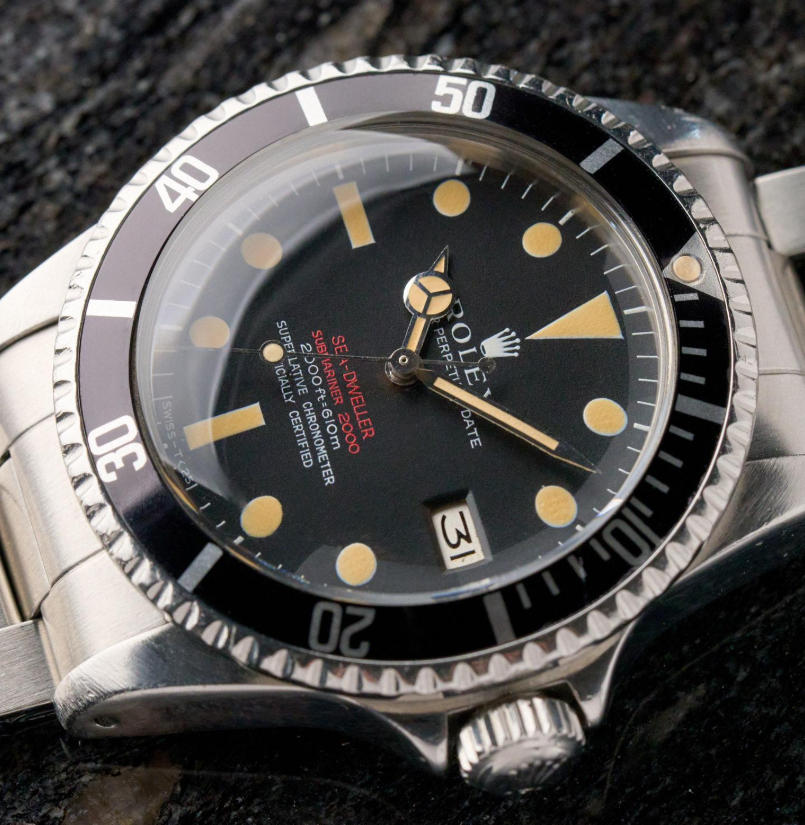
The early Sea Dweller references established the basic visual language that would remain for decades. Reference 1665 is particularly important because it introduced the form collectors now associate with the vintage model. Early examples with two lines of red text became known as Double Red Sea Dwellers, while later versions moved to white dial printing.These differences may appear minor, but they show how much of Rolex collecting depends on details that were never intended to become important when the watches were new. Dial printing, luminous material, bezel inserts and case engravings now help identify different production periods and give each generation its own character.
Reference 16660, often called the Triple Six, marked a more obvious step towards the modern Sea Dweller. It brought a sapphire crystal, stronger case construction and the 1,220 metre depth rating that became closely associated with the model. The watch still looked recognisably related to earlier versions, but its execution was cleaner and more contemporary.The 16600 that followed remained in production for many years and is still one of the references that many enthusiasts consider especially well balanced. Its 40mm case has enough presence to feel like a serious professional watch without becoming excessively large, and it retains the cleaner profile of earlier Sea Dweller generations.
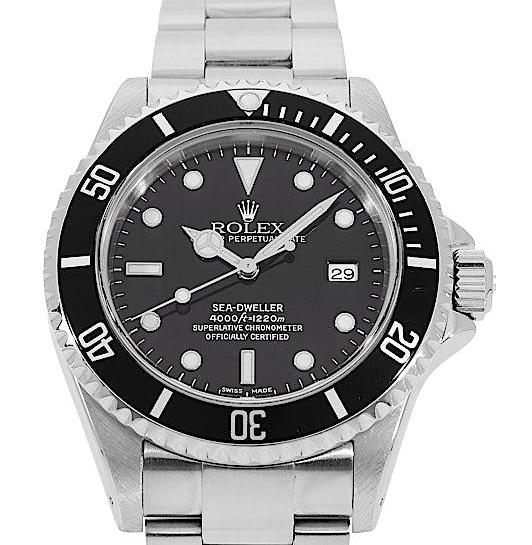
In 2026, the 16600 remains interesting because it sits between two periods. It has modern enough construction to feel practical, but it still carries the proportions and restraint of an older Rolex professional watch. That balance is one reason the reference continues to attract attention even after larger modern Sea Dweller models have arrived.
The biggest visual change came with the modern 43mm Sea Dweller. The larger case, broader bracelet and Cyclops lens over the date made the watch feel more distinct from earlier versions. Rolex also returned red Sea Dweller text to the dial, creating a clear historical link without turning the watch into a literal recreation of a vintage reference.
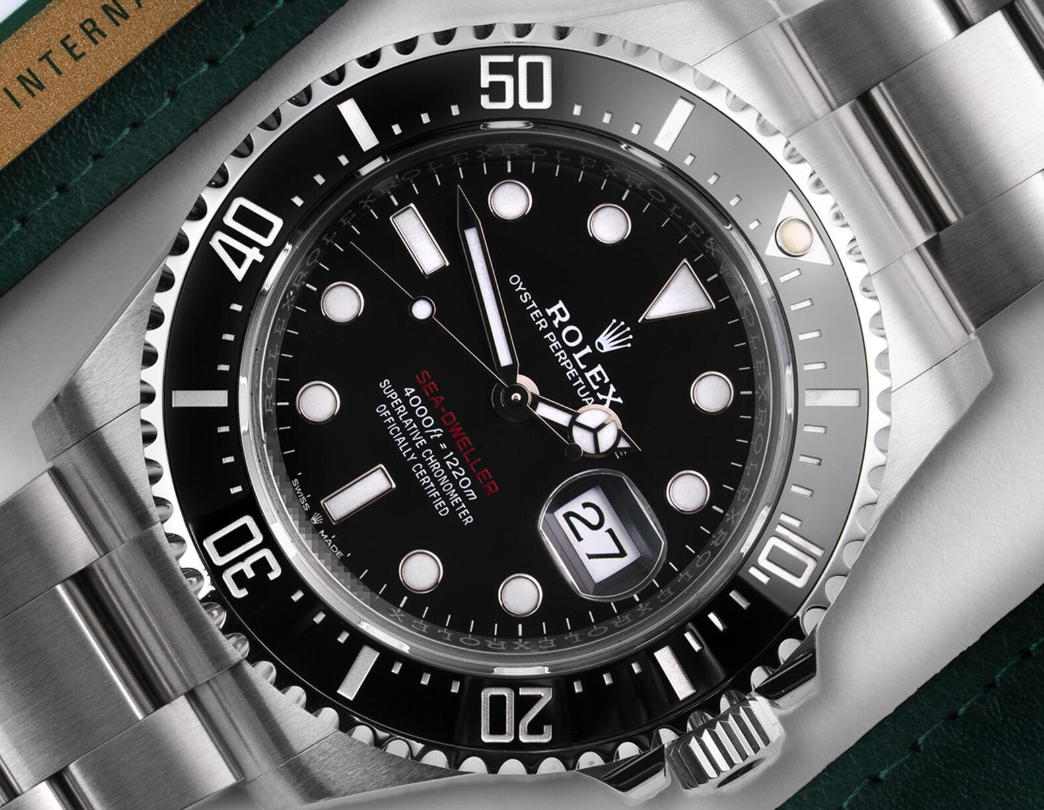
The Cyclops remains one of the most debated details. Earlier Sea Dweller models were known for having a date window without magnification, so adding the familiar Rolex lens changed the appearance immediately. Some collectors saw that as a loss of traditional identity, while others felt the larger case and modern date display finally made the Sea Dweller feel separate enough from the Submariner.
Looking at the range in 2026, that distinction is much clearer than it once was. The modern Sea Dweller now has its own proportions, its own wrist presence and a stronger visual identity. It no longer feels like a slightly thicker alternative to another Rolex dive watch.This difference matters even more when comparing replicas. A Rolex Sea Dweller replica with correct case proportions needs to reflect the generation it represents. A 16600 should not look or wear like a current 43mm reference, and a modern Sea Dweller should not resemble a Submariner with different text added to the dial.
What really matters when comparing a Sea Dweller replica
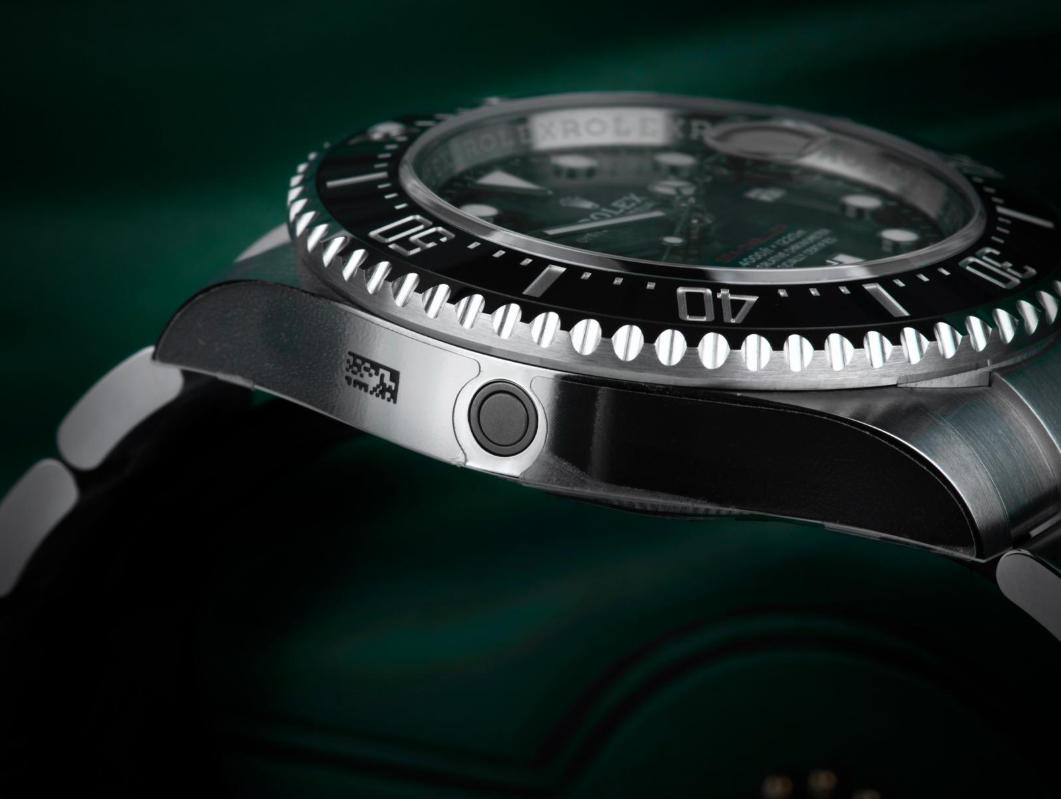
The Sea Dweller is one of those watches where overall balance matters more than one impressive detail. A replica may have sharp dial printing and a decent bezel, but if the case is too thick, the lugs are too heavy or the bracelet does not taper correctly, the whole watch feels wrong.The helium escape valve is a good example. On the genuine watch it is discreet and functional. It sits on the side of the case because it has a specific job to do, not because Rolex wanted another visual feature. A replica that makes the valve too large or too obvious often gives away the fact that the design has been exaggerated rather than carefully copied.
The date display is another useful reference point. Earlier Sea Dweller models do not use a Cyclops lens, while the modern 43mm model does. That makes the Sea Dweller date and Cyclops configuration one of the easiest ways to check whether a replica actually matches the reference it claims to represent.Bezel construction also needs to match the period. Vintage and older modern references used aluminium inserts, while newer models use ceramic. The difference affects not only durability but also how the watch reflects light. Aluminium has a softer appearance and tends to age visibly, while ceramic looks sharper and more polished.A replica that uses the wrong bezel material can therefore feel incorrect even if the colour is close. This is especially noticeable on older references, where a bright modern-looking insert can make the whole watch seem too new.
The bracelet deserves the same level of attention. Modern Sea Dweller bracelets are wider and more substantial because they need to balance a larger case. The clasp and extension system should feel strong, but not unnecessarily heavy. On weaker replicas, loose links, poor articulation or an oversized clasp can make the watch feel awkward even when the dial looks convincing.Readers comparing Rolex Sea Dweller replica models should therefore focus less on broad marketing terms and more on the details that can actually be inspected. Phrases such as 1:1, perfect clone or super clone do not explain whether the case profile is correct, whether the valve is positioned properly or whether the bracelet matches the reference.
Movement claims should also be treated carefully. Genuine modern Sea Dweller watches use Rolex calibres developed specifically for the brand. A replica movement may imitate the appearance of a Rolex calibre or borrow parts of its layout, but that does not make the two mechanically identical.For most buyers, practical qualities are more useful to judge than decorative similarity. Reliability, date operation, crown feel, winding action and future serviceability all matter more in daily use than whether the movement looks convincing through a photograph.
Why the Sea Dweller still matters in 2026
The Sea Dweller remains relevant because its design still makes sense once you understand why the watch exists. Its thicker case, helium escape valve and extreme depth rating are not decorative features. They are the result of a specific professional environment.That engineering background gives the Sea Dweller a different kind of credibility from watches that simply borrow the appearance of a dive watch. Very few owners in 2026 will ever come close to testing the watch at its rated depth, but the capability is still part of the model’s identity.
The arrival of the Deepsea and Deepsea Challenge pushed Rolex diving technology much further, but those watches did not make the standard Sea Dweller irrelevant. If anything, they clarified its place in the collection. The Sea Dweller now sits between the more familiar Submariner and the extreme engineering of the Deepsea family.
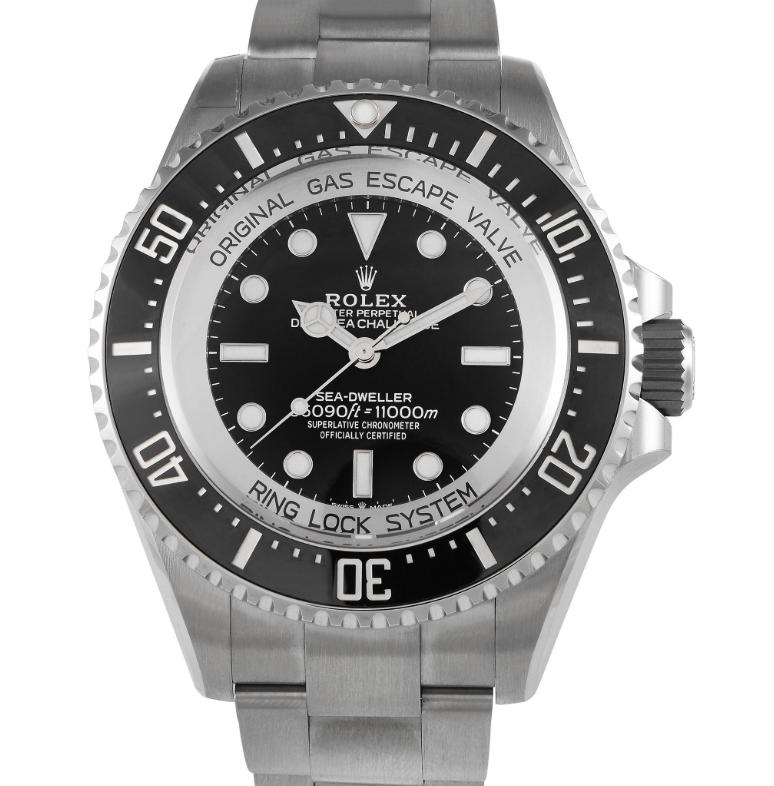
That middle position is one of its strengths. It remains specialised without feeling completely excessive, and it has enough historical continuity to appeal to collectors who prefer a professional Rolex with a more focused identity.The same is true in the replica market. A convincing Sea Dweller needs to reproduce the proportions of a professional Rolex dive watch, not simply the obvious cosmetic features. The case should look substantial without becoming clumsy, the dial should match the correct generation, and the bracelet should work naturally with the weight and shape of the watch.Nearly sixty years after the first production models appeared, the Sea Dweller still feels like one of the most purposeful watches Rolex makes. It has changed in size, materials and movement technology, but the basic idea has remained remarkably consistent.It was created because ordinary dive watches were not enough for a very specific kind of underwater work. That original purpose still gives the Sea Dweller its character in 2026, and it is the reason the watch continues to stand apart from the rest of the Rolex professional range.

